Can Wet Drywall Be Saved After Water Damage?
Posted by: First Choice Drywall Inc on August 1, 2026
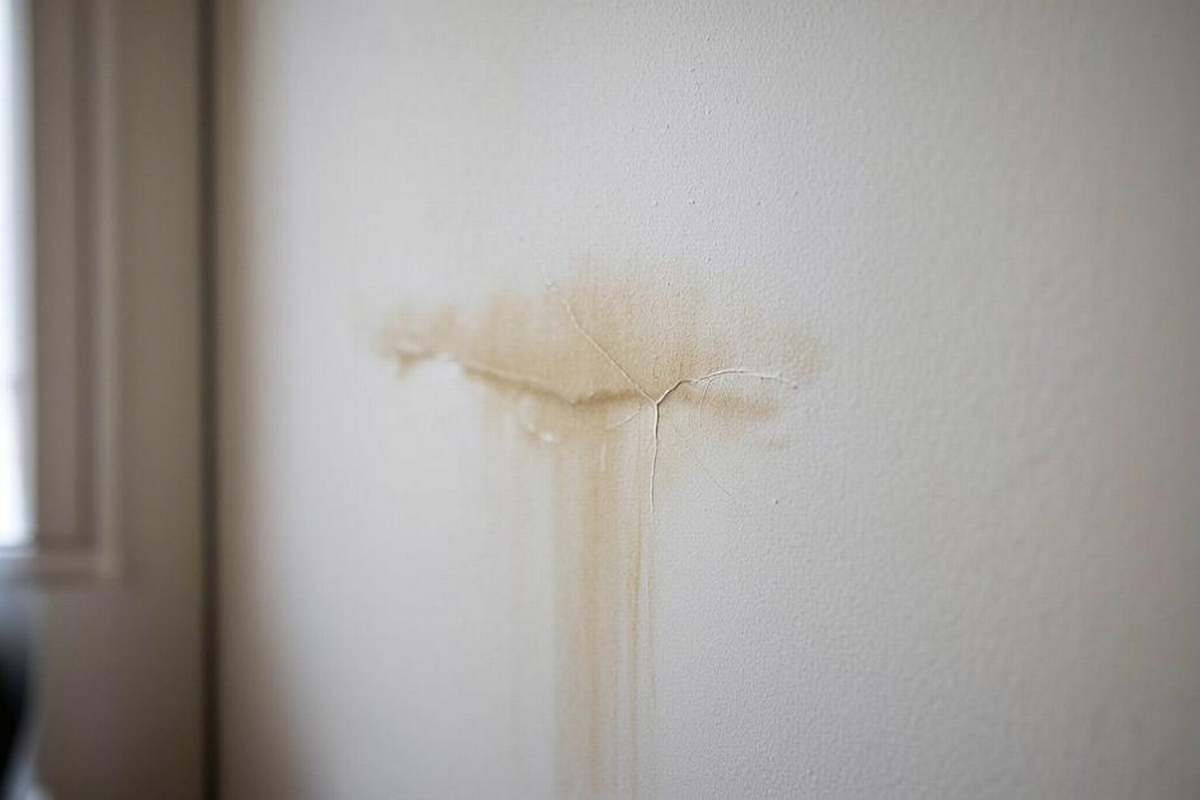
Drywall is a fundamental component of most modern homes, providing the essential structure and surface for walls and ceilings. But what happens when this critical material is compromised by water damage? Can wet drywall be saved? This is a question many homeowners grapple with when faced with leaks, floods, or any mishap involving water. At First Choice Drywall, a leading drywall company in the Milwaukee and Madison areas, we understand the intricacies of drywall maintenance and the challenges of water damage. This blog aims to explore the possibilities of salvaging wet drywall, offering practical insights and solutions to guide you through the restoration process.
Water damage is a common issue that can arise from various incidents—be it a burst pipe, a natural disaster, or simply an unnoticed leak. The consequences of water exposure can range from minor to catastrophic, depending on the severity and duration. It's crucial to assess the damage promptly to determine whether the wet drywall can be saved or if replacement is unavoidable. In this comprehensive guide, we'll take you through the signs to look for, the steps to take, and the professional solutions available for tackling water-damaged drywall.
Understanding The Impact of Water on Drywall
Drywall, also known as gypsum board, is made from a gypsum plaster core pressed between two thick sheets of paper. Its design makes it efficient for building, but unfortunately, it's also highly absorbent. Once water seeps in, drywall begins to swell and disintegrate, which can lead to structural damage. Mold growth becomes another pressing concern, as moist environments provide an ideal breeding ground for mold spores to thrive. This not only affects the integrity of the drywall but also poses health risks.
The extent of damage depends on factors such as the type and duration of exposure. For instance, a small leak that is addressed within a day may cause only superficial damage, while prolonged flooding can lead to complete deterioration. When assessing whether wet drywall can be saved, consider whether the water was clean, such as from a burst pipe, or contaminated, like floodwaters, as this influences the salvageability.
Steps to Assess and Address Water-Damaged Drywall
Immediate Action
The first step in dealing with wet drywall is to stop the source of water infiltration. Turn off the water supply if it's a plumbing issue, or address leaks to prevent additional water intrusion. Quick action minimizes further damage and potential mold growth. Once the source is managed, remove any excess water using wet vacuums or absorbent materials.
Examination of Damage
Conduct a thorough examination to differentiate between wet but salvageable drywall and panels that require replacement. Check for visible sagging, warping, and discoloration, as these are indicators of severe damage. Mild cases, where the drywall has absorbed minimal water and maintained its structural integrity, can potentially be restored. Use a moisture meter to measure the extent of moisture present in the drywall.
Replace drywall if any of the following conditions are met:
- The drywall has been exposed to contaminated water.
- There is extensive mold growth.
- Structural integrity cannot be restored.
Drying Out and Dehumidification
Drying the area involves both natural and mechanical measures. Open windows for ventilation or use fans and dehumidifiers to speed up the process. It's important that the affected drywall dries completely to prevent mold growth. During this phase, keep a close eye on the condition of the drywall, ensuring it doesn’t bubble or crack as it dries.
Professional Restoration Options
While DIY methods can be effective in minor water damage cases, professional intervention is often required for thorough assessment and restoration. Expert services provided by companies like First Choice Drywall not only ensure that your drywall is dried and sanitized properly but also prevent future complications.
Painting Contractors in Madison, WI
As part of the restoration process, painting contractors in Madison or Milwaukee or wherever you are can play a crucial role in patching, sanding, and painting newly installed or repaired drywall. At First Choice Drywall, our experienced team is adept at matching existing textures and finishes, ensuring a seamless integration with your current decor. A professional paint job not only restores the aesthetic appeal but also adds an additional protective layer against future problems.
Preventive Measures to Safeguard Drywall
Regular Maintenance and Inspection
Prevention is key to avoiding water damage in the first place. Conduct regular inspections of plumbing, roofing, and exterior walls to catch potential leaks early. Seal windows and doors properly and ensure that the gutter and drainage systems are functioning well.
Installation of Moisture Barriers
In moisture-prone areas such as basements, kitchens, and bathrooms, consider installing moisture-resistant drywall, also known as green board. This provides an added layer of protection and can greatly reduce the risk of water damage.
Mold and Mildew Control
Controlling humidity levels within your home can prevent mold growth on your drywall. Installing vents and exhaust fans in moisture-prone areas can help keep the space dry, reducing the risk of mildew.
Salvaging Wet Drywall: Is It Worth the Effort?
Deciding whether to save or replace wet drywall ultimately depends on the extent of the damage and the value of the property. Investing in professional services from First Choice Drywall in Madison and Milwaukee areas can make the assessment easier. Our experts can provide a thorough inspection, guiding you in making an informed decision that safeguards your home’s structural integrity and your health.
In nearby cities, such as Waunakee, WI, our drywall repair team extends similar high-quality services, ensuring that residents benefit from our expertise in restoring drywall effectively. If you're dealing with water-damaged drywall, don't hesitate to reach out for a consultation and learn more about our comprehensive solutions tailored to your needs.
Remember, the sooner you address water damage, the better the chance of salvaging your drywall and preventing costly repairs down the line. Contact First Choice Drywall today to explore your options and protect your home from future water damage threats.