Can You Use Exterior Paint Indoors and What Are the Risks?
Posted by: First Choice Drywall Inc on May 15, 2026
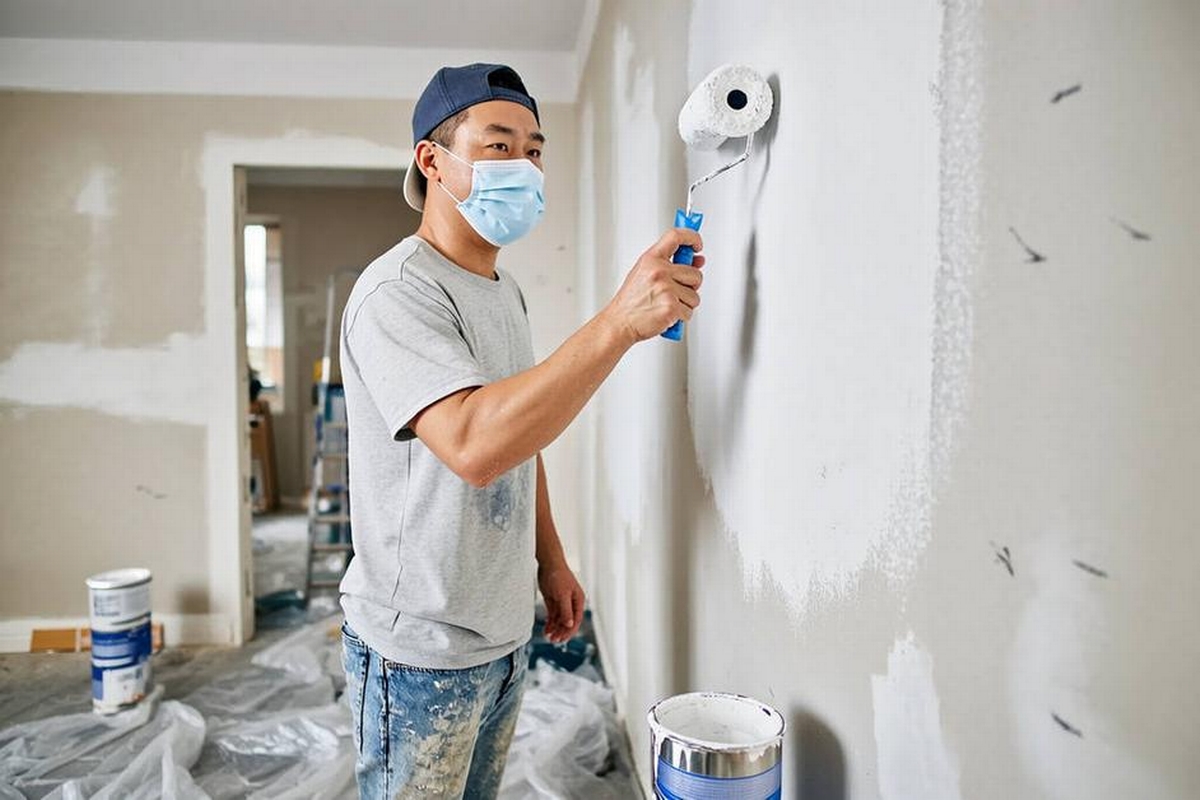
When tackling a painting project, it's easy to find yourself contemplating unconventional solutions, like deciding whether "can you use exterior paint indoors?" The idea might seem straightforward - especially if you have leftover exterior paint. However, there are several factors to consider, both for practicality and health reasons. As industry leaders, drywall contractors in Madison and its nearby regions frequently encounter questions about painting choices and their implications for interior spaces. Understanding why exterior paint is designed as it is, and its potential hazards indoors can save you from unforeseen challenges.
At first glance, exterior paint might appear to be a flexible option; it's robust, weather-resistant, and durable, qualities that are seemingly beneficial for any environment. But these characteristics stem from specific formulations meant to withstand the elements outside, not confined indoor spaces. This blog will delve into the science behind exterior paints, outline the risks they pose when used inside, and offer guidance on making informed decisions for your interior painting projects.
Understanding Exterior Paint: Composition and Purpose
Exterior paint is engineered to endure harsh weather conditions, such as rain, UV rays, and temperature fluctuations. Its formulation usually includes a higher concentration of volatile organic compounds (VOCs) to ensure durability and resistance to mildew, mold, and fading. These VOCs, however, are quite problematic indoors, as they can off-gas into the room's air for an extended period, potentially causing health issues.
Moreover, the binders and resins in exterior paint are designed to remain flexible to accommodate expansion and contraction due to temperature changes. Indoors, this flexibility isn't required and may lead to unnecessary costs and health risks. If you're considering using such paint for interiors, it's crucial to weigh these characteristics against its intended application.
Can You Use Exterior Paint Indoors? Evaluating the Health Risks
Using exterior paint indoors introduces several health risks, primarily due to its high levels of VOCs. VOCs are emitted as gases from certain solids or liquids and include a variety of chemicals, some of which are known to cause adverse health effects. Indoors, exposure to VOCs can cause eye, nose, and throat irritation, headaches, and, over time, more serious health problems like liver or kidney damage.
Additionally, exterior paint often includes additives to prevent the growth of fungi and algae on the surface. While these are beneficial for exterior surfaces that are exposed to the elements, they may be harmful when present in an enclosed space, especially if inhaled over long periods.
Before introducing exterior paint indoors, consider these health implications, especially if you have vulnerable individuals in your household, such as children or the elderly, who may be more susceptible to VOC exposure.
The Practical Concerns: Wear and Maintenance Issues
From a practical standpoint, exterior paint may not adhere well to interior surfaces, leading to peels, cracks, and a finish that does not perform well over time. Unlike interior paint, which is designed to be scrubbed and cleaned regularly, the robust film of the exterior paint is less ideal for indoor maintenance, potentially resulting in a surface that's difficult to clean without damage.
Color retention is another aspect to consider. Exterior paints are formulated to retain their color against sun and weather exposure, which isn’t necessary indoors. The unnecessary strength of exterior paint might result in unnecessary cost with little benefit indoors.
Alternatives and Recommendations for Interior Painting
Given the outlined risks and concerns, it's advisable to choose paints specifically crafted for indoor use. Interior paints are formulated to provide easy application, washability, and lower VOC levels, ensuring a safer and more user-friendly environment. They come in various finishes, from matte to glossy, designed to enhance different areas within a home.
Here’s a consolidated list of why interior paint should be your go-to choice for any indoor project over using exterior paint indoors:
- Safer VOC Levels : Interior paints have lower VOC levels, reducing the risk of indoor air quality issues.
- Washability : Interior paints are designed to withstand cleaning without damage.
- Ideal Adhesion : Formulated to adhere well to interior surfaces, providing a smooth, even finish.
- Appropriate Additives : Interior paints lack unnecessary additives that could have harmful indoor effects.
Specific Situations: Before Making Your Decision
In some cases, people might consider using exterior paints for specific high-use indoor areas like garages or basements. These areas often face more wear and tear or humidity changes than other interior spaces, prompting the idea of using more durable exterior paint.
However, even in these specific circumstances, opting for a high-quality interior product or consulting with painting contractors in Madison, WI is best. They can recommend products that offer durability without compromising indoor air quality.
Cost Implications of Exterior Paint Indoors
Another angle to consider is cost. Exterior paints often cost significantly more than their interior counterparts. While you might think the added cost translates to durability, for indoor projects, this is often not the case. The durability required outside is not needed on interior walls, where environmental conditions are stable. Therefore, sticking to interior paints helps align with your budget more appropriately while delivering better results.
Working with First Choice Drywall
Understanding whether "can you use exterior paint indoors" and its associated risks leads to more informed decisions when undertaking painting projects. Considering local experts, such as First Choice Drywall, can make a significant difference. From drywall repair in Madison to whole-house painting services, they offer comprehensive solutions informed by years of industry experience. Choosing the right product starts with understanding your unique needs and the specific challenges of your living spaces.
For those looking in Baraboo, WI, First Choice Drywall also provides top-notch drywall installation and repair services in areas like Sun Prairie, making home improvement projects far more manageable and efficient. With their expertise, you can ensure that only the best products and practices are applied to every project.
Whether you're considering a fresh look for your home's interior or need professional advice on the best products and methods, First Choice Drywall is well-equipped to help you through every step of the process. Reach out to us today!