Does Paint Go Bad? What You Need to Know
Posted by: First Choice Drywall Inc on March 15, 2026
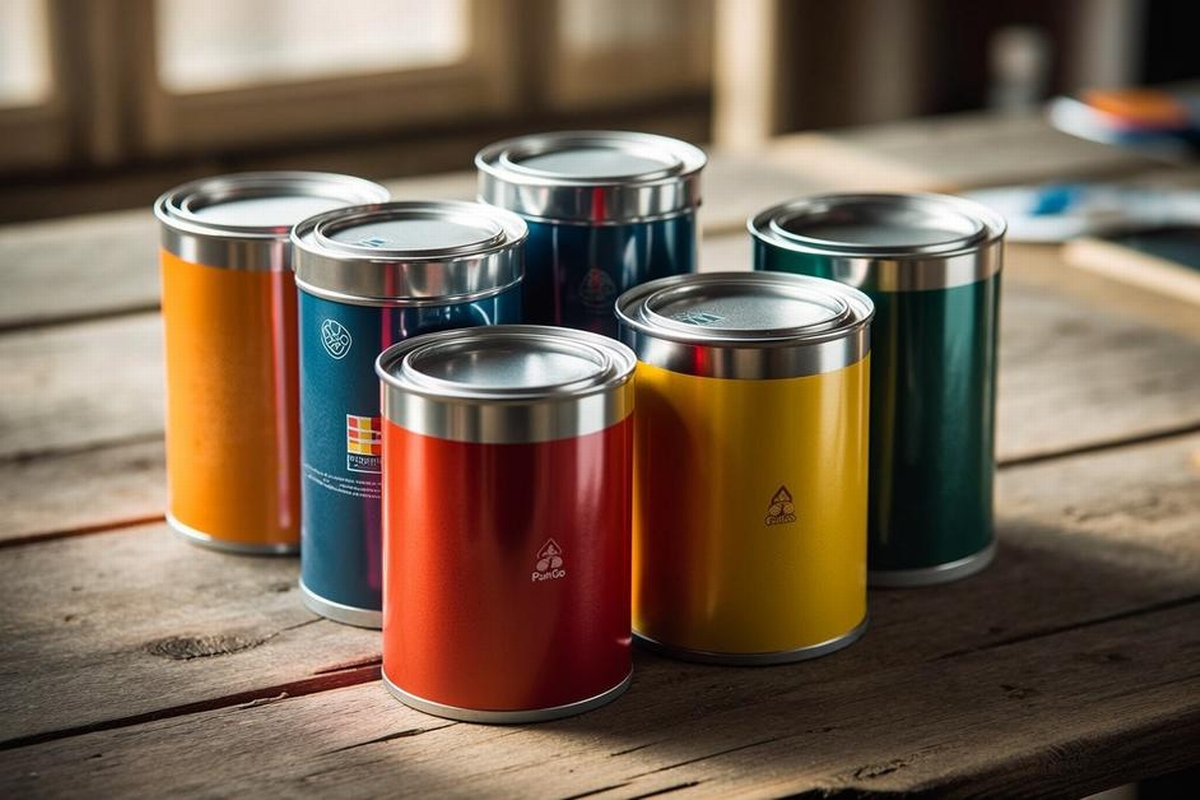
Every homeowner eventually faces the moment of truth when they stumble upon half-used paint cans stored away and wonder if they'll ever be useful again. As the seasons change and home improvement projects inspire new ideas, this question becomes all the more pressing: Does paint go bad? More than just a practical concern, understanding the longevity of paint can save time, money, and unexpected headaches during your next renovation. Particularly for those relying on expert services, like drywall contractors in Madison, knowing whether to keep or dispose of old paint can make all the difference in your project's success.
With the rising importance of sustainable practices and efficient resource management, staying informed about the life span of paint is crucial. But how can you determine if your paint has indeed gone bad, and what are the telltale signs that it’s time to let it go? This article delves into the factors affecting paint longevity, offers insights into proper storage, and guides you through the necessary steps to handle old paint—transforming your renovation planning from daunting to doable.
The Science Behind Paint Lifespan
Paint, whether oil or latex, is a complex emulsion of various components designed to create a durable finish. When stored properly, many paints can last for years without significant degradation. However, several factors can influence their longevity, causing them to degrade faster than expected.
1. Composition and Type of Paint
- Oil-based Paints: Known for their durability, oil-based paints can last for up to 15 years if stored correctly. They are resistant to moisture and tend to retain their quality over time.
- Water-based or Latex Paints: These have a shorter shelf life, generally ranging from 2 to 10 years. The water content makes them more prone to bacterial and mold growth, especially if opened and not sealed adequately.
2. Storage Conditions
Paint that is stored in extremes of temperature, such as in a garage or shed, is more likely to go bad. Ideally, paint should be stored in a cool, dry area, away from direct sunlight and heat sources. Consistent temperatures play a significant role in maintaining paint quality.
3. Container Integrity
The condition of the paint can itself also contributes to longevity. A well-sealed lid prevents oxygen and moisture from entering and causing the paint to spoil. Once opened, the shelf life can be compromised significantly.
Signs That Paint Has Gone Bad
Understanding the visual and olfactory cues of spoiled paint helps determine its usability. Here are some key indicators that paint has reached the end of its life:
- Odor: Fresh paint should have a mild smell. When it starts to emit a rancid or sour odor, it's a strong indication that it's spoiled.
- Texture Issues: If the paint has dried clumps, chunky bits, or a cottage cheese consistency, these are signs it's no longer viable.
- Separation: Although some separation in paint is normal, excessive separation that doesn't resolve with stirring means the components have irreparably broken down.
- Color Change: A visible change in color when opened means the paint's composition has been altered.
How to Test Old Paint
Sometimes, just a superficial check might not be enough. Conducting a simple test can provide more definitive answers to whether an old can of paint is worth keeping. Stir the paint thoroughly and apply a small amount on a piece of cardboard. Let it dry and examine the finish. This method will also reveal whether the paint adheres well and dries with a smooth finish.
Best Practices for Extending Paint Life
A few proactive steps can vastly extend the shelf life of your paint, reducing waste and preserving quality:
- Seal Tightly: Ensure lids are properly sealed to prevent air and moisture from affecting the paint.
- Use Plastic Wrap: Before resealing the lid, covering the opening with plastic wrap can create an additional barrier against air.
- Store Upside Down: This can help create an airtight seal by preventing air from being trapped at the top.
- Proper Storage Location: Keeping paint indoors in a stable temperature environment, such as a basement or closet, will prevent the damaging effects of temperature fluctuations.
The Role of Professional Guidance
For those who find themselves frequently questioning the state of their paint, consulting experts such as painting contractors can offer a definitive opinion. As experts in the field, they have the insight and experience to recognize paint’s longevity and provide advice tailored to your specific needs. If you're contemplating a significant renovation project, this professional insight can be invaluable.
Additionally, when tackling larger projects such as drywall repair or installation in Madison and its surrounding areas, understanding whether to use old paint or purchase new supplies can significantly impact the project's scope and cost. Combining old paint with new or matching colors from different batches requires expertise to ensure an overall cohesive look.
How to Dispose of Old Paint
When the inevitable happens, and your paint can no longer serve its purpose, disposal must be considered responsibly:
- Donate: If the paint is still usable, consider donating it to community organizations or art programs.
- Recycle: Many local waste management facilities offer recycling programs for paint.
- Solidify for Disposal: For small amounts, let the paint dry in a well-ventilated area or mix with absorbent materials before disposal as regular trash.
Future Projects and Considerations
Understanding whether paint spoils and knowing how to handle it equips homeowners and professionals alike with the knowledge to make informed, effective decisions. Whether your next endeavor involves beautifying walls or more involved drywall repair in Menomonee Falls and its nearby areas, having insight into paint's usability ensures optimal outcomes for every project.
Regardless of the project at hand, proper planning incorporates making use of First Choice Drywall's expertise. Whether it's paint guidance or comprehensive drywall solutions, they aid in transitioning your spaces into meaningful environments. Reach out to First Choice Drywall today and unlock the potential your home truly holds.