Is Drywall Porous and How It Affects Painting and Moisture
Posted by: First Choice Drywall Inc on May 17, 2026
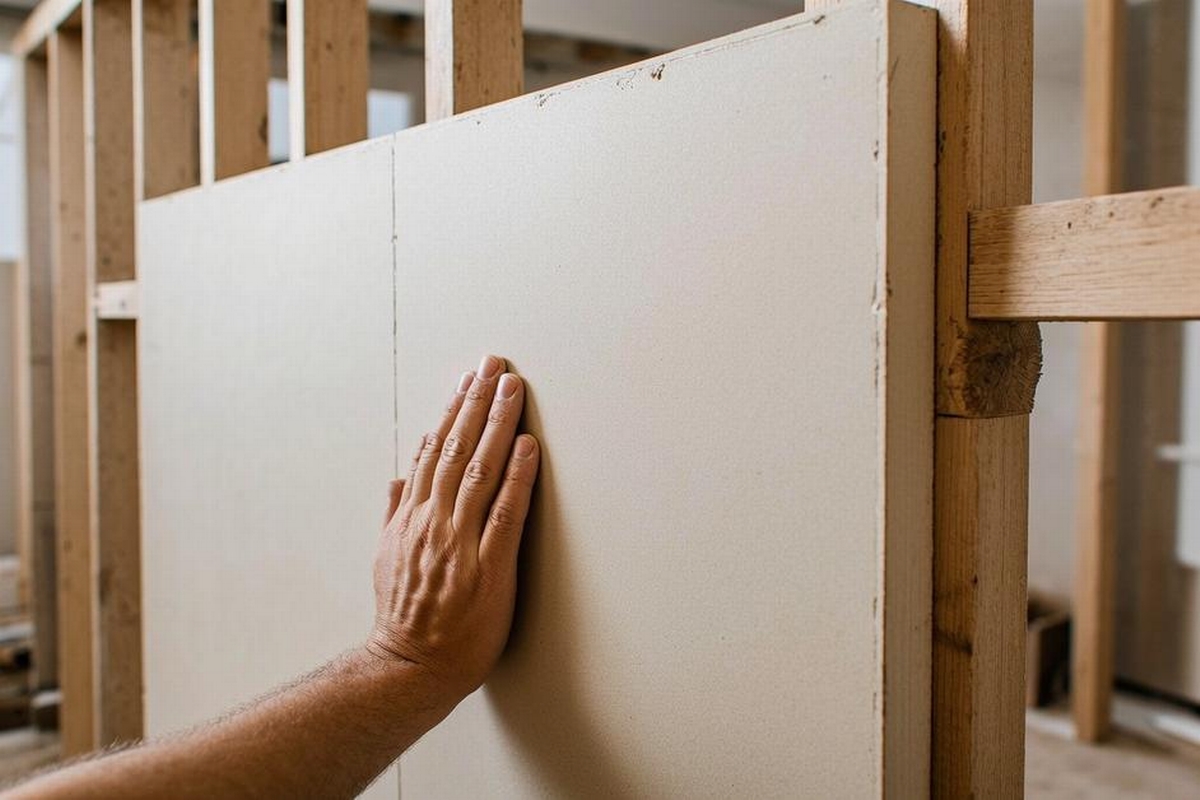
Understanding the nature of building materials is crucial for anyone involved in construction or home renovation projects. One frequently asked question in the home improvement world is "Is drywall porous?" This basic inquiry opens the door to a broader understanding of how drywall interacts with moisture and paint, informing those choices for any property owner. When it comes to drywall installation and maintenance, having an awareness of the material's properties is essential. Drywallers in Madison know this all too well, which is why they focus so much on educating their customers. In this blog, we will dive into the porous nature of drywall, how it impacts painting, and what you need to know about moisture-related issues.
First Choice Drywall, a leader in the paint and drywall industry, recognizes the importance of answering these critical questions. From understanding the structural aspects of drywall to selecting the right type for your specific needs, this post will guide you through the intricacies of drywall. We will explore how moisture can influence drywall's lifespan and effectiveness, discuss its effect on painting results, and lay out essential tips for moisture control.
What Makes Drywall Porous?
Drywall, also known as gypsum board, is a widely used building material made from gypsum plaster. This plaster is pressed between two thick sheets of paper and kiln-dried. When we say a material is "porous," it means that it contains tiny holes, or pores, that allow liquids and gases to pass through. But why is drywall porous, and what impact does this have?
Composition of Drywall
The composition of drywall dictates its porous nature. Within the gypsum core, there are tiny air pockets that contribute to its light weight and flexibility. Although this porosity is beneficial for quick installations and adjustments, it also means that drywall can absorb moisture easily. Over time, drywall may become a breeding ground for mold and mildew if not adequately protected. This is particularly problematic in humid environments or spaces like bathrooms and kitchens, where moisture levels are higher.
Types of Drywall
Not all drywall is created equal. Understanding the types of drywall available and their porosity levels can help you make informed decisions for your next project. The most common types include:
- Regular Drywall: The standard choice for most interior walls and ceilings.
- Moisture-Resistant Drywall: Often green or purple, ideal for areas with higher humidity levels.
- Fire-Resistant Drywall: Also known as Type X, used in garages and utility rooms to enhance safety.
Each type has differing degrees of porosity and is suited to specific environments and needs. Moisture-resistant drywall, for example, incorporates moisture-repellent additives, making it less porous and more suitable for damp locations.
How Does Drywall's Porosity Affect Painting?
With drywall's porosity in mind, the effect on painting is considerable. Painting drywall involves more than just applying a coat of paint; it includes processes that address the material's natural characteristics.
Importance of Priming
Priming is a critical step in preparing drywall for painting. The primer acts as a sealer, reducing the drywall's porosity and preventing excessive paint absorption. Skipping this step may result in an uneven finish, where some areas appear dull due to the wall absorbing more paint than others. Priming not only saves on paint costs but also enhances the depth and color uniformity of the paint.
Choosing the Right Paint
Different paint types perform variably on porous surfaces like drywall. Latex-based paints are generally preferred because they offer better breathability, flexibility, and ease of application. In contrast, oil-based paints can trap moisture, exacerbating issues related to drywall's porous nature. Selecting the appropriate paint type is especially significant for painting contractors in Madison, ensuring that the finish not only looks appealing but also stands the test of time.
Applying Paint
Two common issues arising from drywall's porosity when painting are flashing and peeling. Flashing occurs when paint dries unevenly, causing shiny patches. Peeling, on the other hand, results from insufficient adhesion, often stemming from poor preparation or incorrect paint choice. To prevent these issues, ensure the drywall is clean and properly primed, and that high-quality paint is used.
Moisture Effects on Drywall
A key consideration in drywall maintenance is its interaction with moisture. Left unchecked, moisture can compromise the integrity of a drywall structure, leading to costly repairs.
Causes of Moisture Problems
Moisture issues in drywall can stem from a variety of sources:
- Leaking Pipes: Hidden behind walls, leaks from plumbing can go unnoticed until significant damage has occurred.
- Poor Ventilation: Spaces lacking proper airflow can trap moisture, fostering an environment for mold growth.
- Seepage from Exterior Walls: Rainwater or groundwater infiltration can contribute to moisture accumulation in interior drywall.
Drywall repair in Madison and its surrounding areas frequently involves addressing these underlying causes to prevent recurrence.
Preventing Moisture Damage
To protect drywall from moisture damage, consider implementing the following strategies:
- Install moisture-resistant drywall in high-humidity areas.
- Ensure proper ventilation in rooms prone to dampness.
- Regularly check for and repair leaks promptly.
- Consider using a dehumidifier in basements or other moisture-prone areas.
By taking these precautions, you can mitigate the risk of moisture issues and extend the lifespan of your drywall installations.
First Choice Drywall: Your Trusted Partner
For residents facing drywall challenges, understanding the porous nature of drywall and its implications is key to maintaining a durable and beautiful space. If you are in need of drywall repair in Verona or its neighboring areas, First Choice Drywall is ready to assist you with expert solutions tailored to your needs.
First Choice Drywall offers comprehensive services, including drywall installation and painting, to help ensure your home or office is well-protected against moisture and other potential issues. Whether you are embarking on a new construction project or renovating an existing space, we have the expertise and resources to meet your needs.
Enhance your spaces with First Choice Drywall's professional services, designed to address the unique climate and building conditions in Madison and beyond. Reach out to us today to discuss your project and discover how we can make your walls more resilient and visually appealing. Don't let the nuances of drywall's porous nature catch you off guard. With the right knowledge and the right partner, you can achieve impeccable results and durable surfaces.